









Modern dentistry has changed a bunch in the last few years, and a huge part of that comes from better dental materials. Back then, dentists mostly just wanted to fix a bad tooth. These days, the aim is to make the tooth look real, hold up for years, and keep the whole mouth healthy. The latest dental materials get built tougher, safer, and way more helpful once they’re in your mouth. A few even help fix things up or stop problems from coming back. That’s why picking the correct dental materials matters so much now in every treatment.
Overview of dental materials evolution
Dental materials went from really plain stuff to much smarter and better options. In the past, the main things people cared about were how strong it was and how cheap. Looks and how long it lasted didn’t get much attention. As time went on, people started asking for things that looked nice and felt good, so dental materials got upgraded, too.
Right now, the newest dental materials hold up better, match real teeth way closer, and do extra jobs besides just filling holes. Certain ones let out fluoride, others help healing, and a few pair up nicely with digital gear. Dentistry isn’t only about quick fixes anymore; it’s heading toward full mouth care.
Latest Dental Materials in Modern Dentistry
Composite Resins
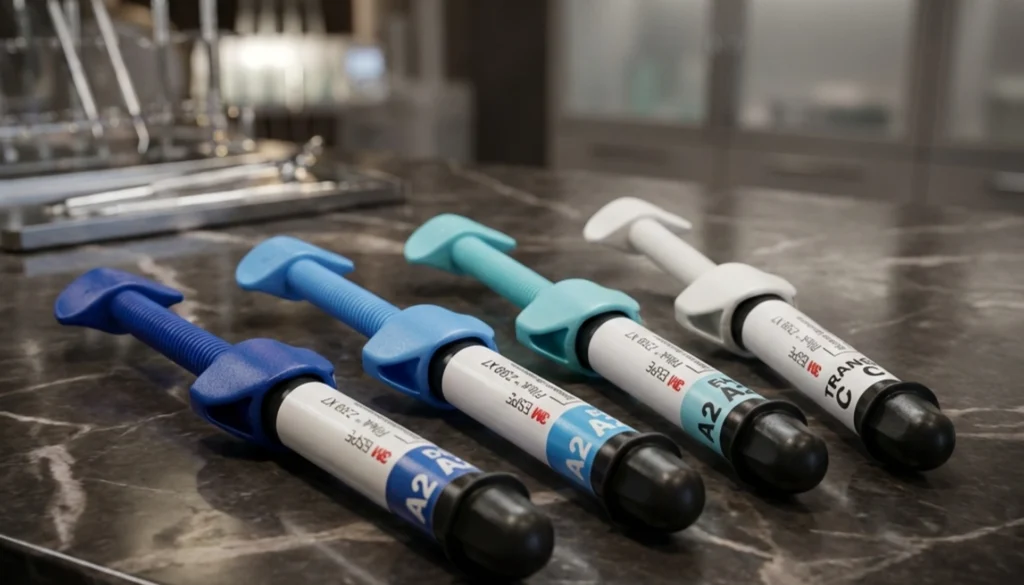
Composite resins are tooth-colored dental materials made for fillings and small fixes. Dentists use them a lot since they mix right in with your real teeth and shape up easily while working. They stick straight to the tooth, so you keep more of your own tooth safe.
What changed (Old vs New):
- Older composites were weaker and wore down faster
- New composites are stronger and more resistant to wear
- Better color matching for a natural look
- Some advanced new composites include antibacterial or bioactive properties
Other important points:
- Suitable for both front and back teeth
- Helps conserve healthy tooth structure
- May show slight shrinkage during setting
- Technique matters for long-term success
Ceramic Materials (Zirconia & Porcelain)
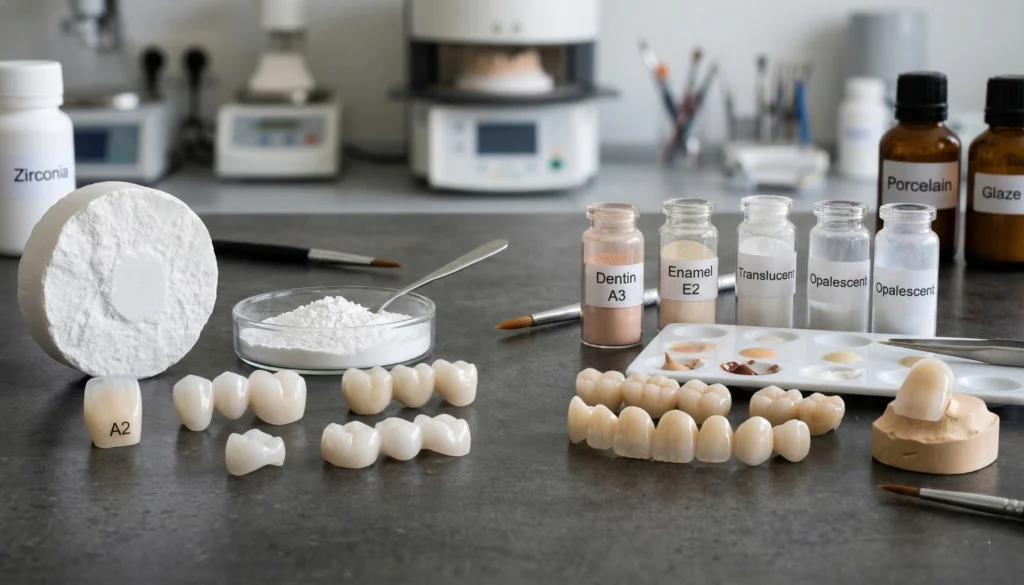
Ceramic-based dental materials mostly go into crowns and bridges. People like them for looking real and lasting a long time. Zirconia brings big strength, and porcelain gives a nicer look.
What changed (Old vs New):
- Older ceramics were more likely to chip
- Required layered designs that increased risk of damage
- New zirconia is stronger and more durable
- Improved translucency makes them look more natural
Other important points:
- Older zirconia types are more opaque
- Ideal for long-term restorations
- Suitable for areas with heavy biting force
- Modern designs reduce chances of fracture
Glass Ionomer Cement (GIC)
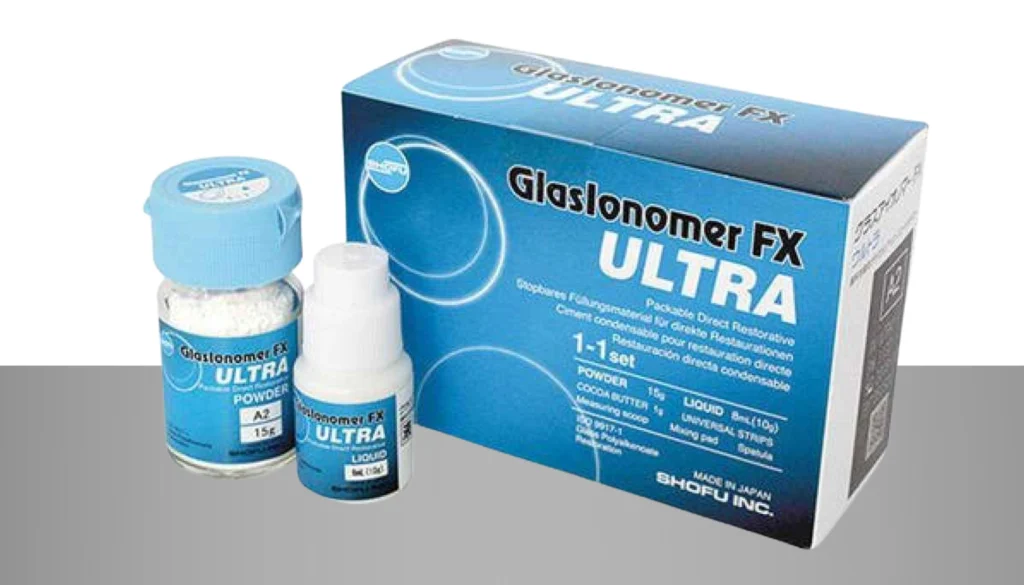
Glass ionomer cement is one of the widely used dental materials for fillings and bonding. It releases fluoride, which helps protect teeth from decay. It is often used in children and preventive treatments.
What changed (Old vs New):
- Older GIC had low strength and limited use
- Mostly used as a temporary solution
- New GIC has better strength and durability
- Wider use in restorative and preventive care
Other important points:
- Helps prevent cavities
- Works well in moist conditions
- Not ideal for high chewing pressure areas
- Often improved using resin-modified versions
Biocompatible Materials
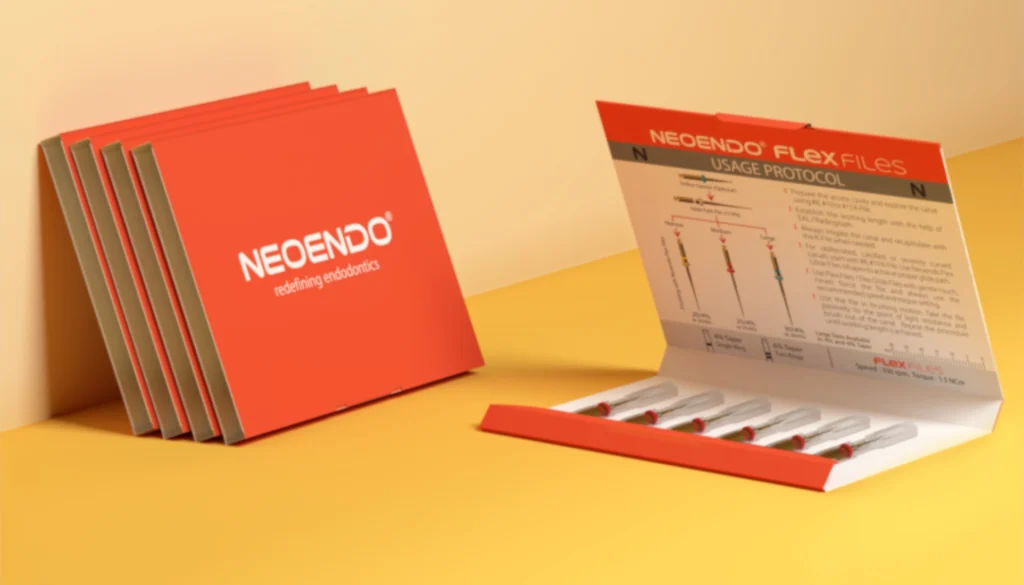
Biocompatible dental materials get made so they’re safe inside your body. They get along fine with gums, bone, and other spots without causing trouble. These get used a ton for implants and stuff that stays in a long time.
What changed (Old vs New):
- Older materials focused only on strength
- Less concern for how the body reacts
- New materials support better healing
- Improved integration with bone and soft tissues
Other important points:
- Reduces risk of irritation or rejection
- Important for implant success
- Safer for long-term use
Bioactive Materials
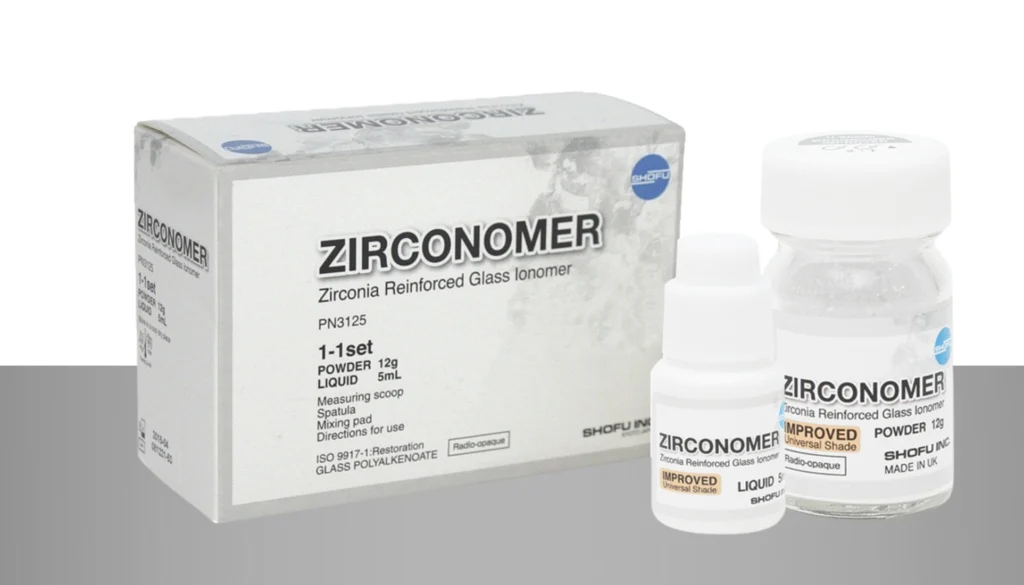
Bioactive dental materials actually work on the tooth and nearby tissues. They help fix and heal by sending out good minerals. A lot use things like bioactive glass or calcium stuff that rebuilds minerals.
What changed (Old vs New):
- Older materials were passive and only filled the space
- New materials support healing and regeneration
- Help in rebuilding lost minerals
- Improve bonding with the tooth
Other important points:
- Useful in deep cavities
- Supports remineralization
- Growing area in modern dentistry
3D Printing Materials
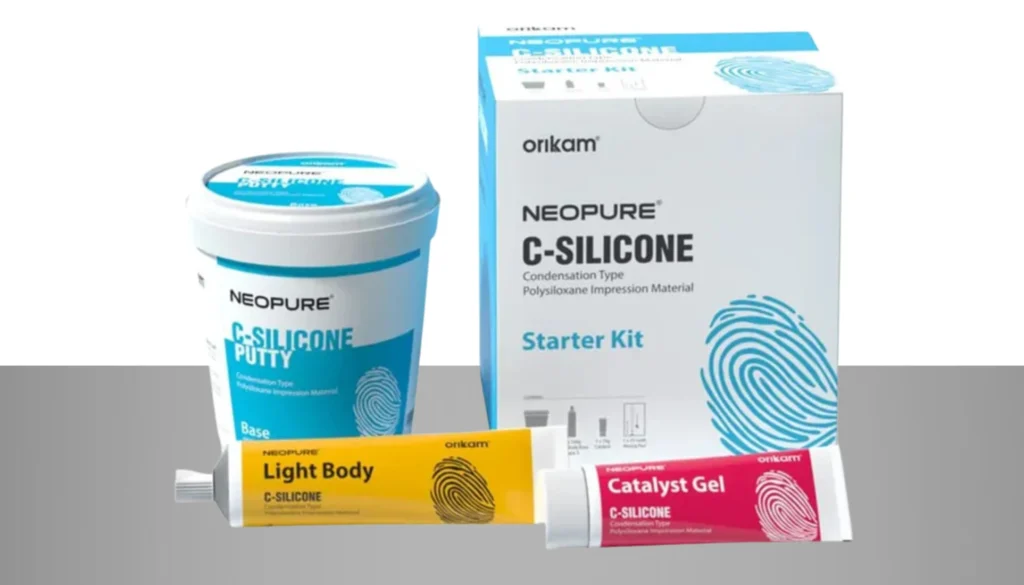
3D printing dental materials help make dental pieces from computer plans. This means quick and spot-on custom work like crowns, aligners, or guides for surgery.
What changed (Old vs New):
- Older methods were manual and time-consuming
- Less accuracy in fit and design
- New materials allow precise and fast production
- Better customization for each patient
Other important points:
- Saves time in clinics and labs
- Faster production of dental restorations
- Needs proper finishing for safety and strength
Nanomaterials in Dentistry
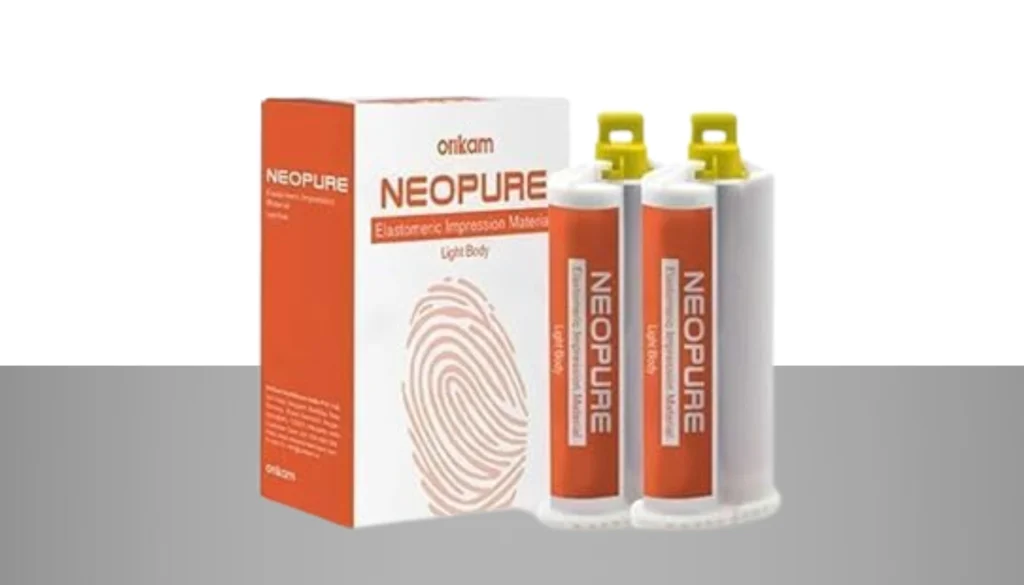
Nanotechnology has improved dental materials by using very small particles. These materials are stronger, smoother, and more resistant to wear.
What changed (Old vs New):
- Older materials had larger particles and less strength
- Lower resistance to wear and bacteria
- New nanomaterials improve durability and polish
- Better protection against bacteria
Other important points:
- Provides smoother finish and better shine
- Helps materials last longer
- Some include antibacterial nanoparticles
Smart & Digital Materials
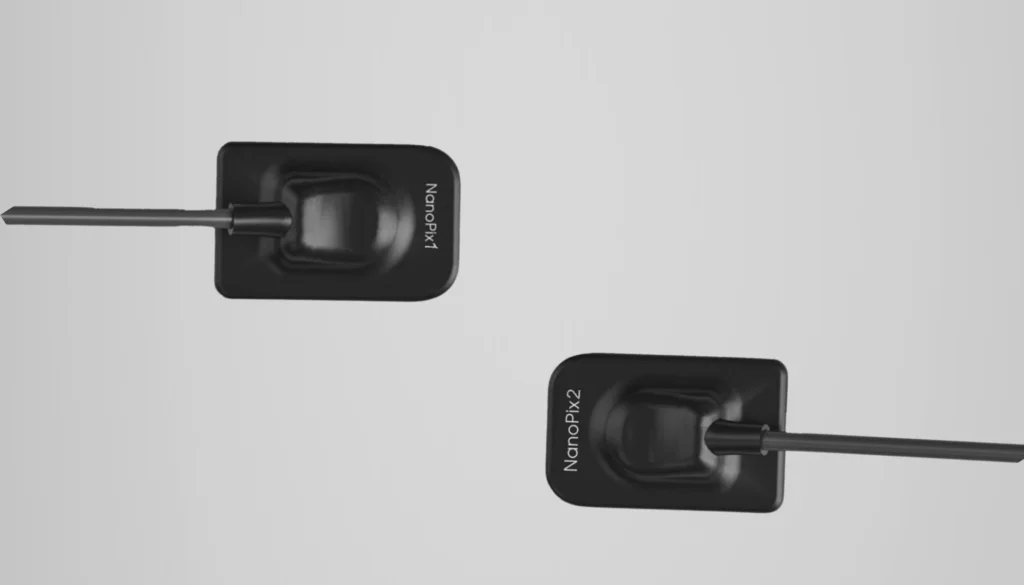
Smart dental materials react to stuff happening in your mouth, like heat or acid levels. They often team up with digital tools to plan treatments better and get things more exact.
What changed (Old vs New):
- Older materials did not respond to changes
- Fixed properties after placement
- New smart materials can react to the environment
- Digital systems improve precision and outcomes
Other important points:
- Mostly in early use and research stage
- Includes self-healing and pH-responsive materials
- Supports future of personalized dentistry
Amalgam (Traditional Material Still in Use)
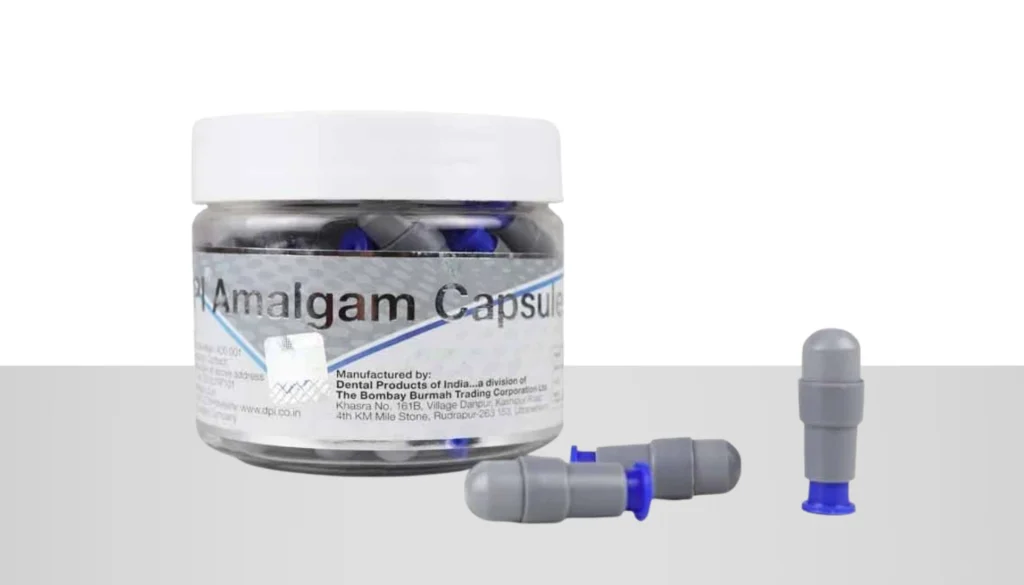
Amalgam is one of the older dental materials used for fillings, especially in back teeth. It is strong and cost-effective but does not match the natural color of teeth.
Current status:
- Still used in some places due to low cost and strength
- Being reduced in many countries
- Concerns due to mercury content and poor appearance
Other important points:
- Very strong under chewing pressure
- Less technique-sensitive than composites
- Not suitable where appearance is important
Benefits of Advanced Dental Materials
- Better appearance that matches natural teeth
- Longer life of restorations
- Improved comfort during and after treatment
- Helps preserve natural tooth structure
- Some materials support healing and remineralization
- Works well with digital and modern techniques
Conclusion
Dental care has improved a lot because of better dental materials. Treatments today focus not just on fixing teeth but also on long-term health, comfort, and natural appearance. New options are stronger and more useful, but they may also need more skill and cost. As technology grows, results will keep getting better for both patients and dentists.
Buy dental materials online from Dhruv Dentofix. Get quality products, fast delivery, and reliable options for your dental practice needs.